

Key Tips Discussed in This Blog
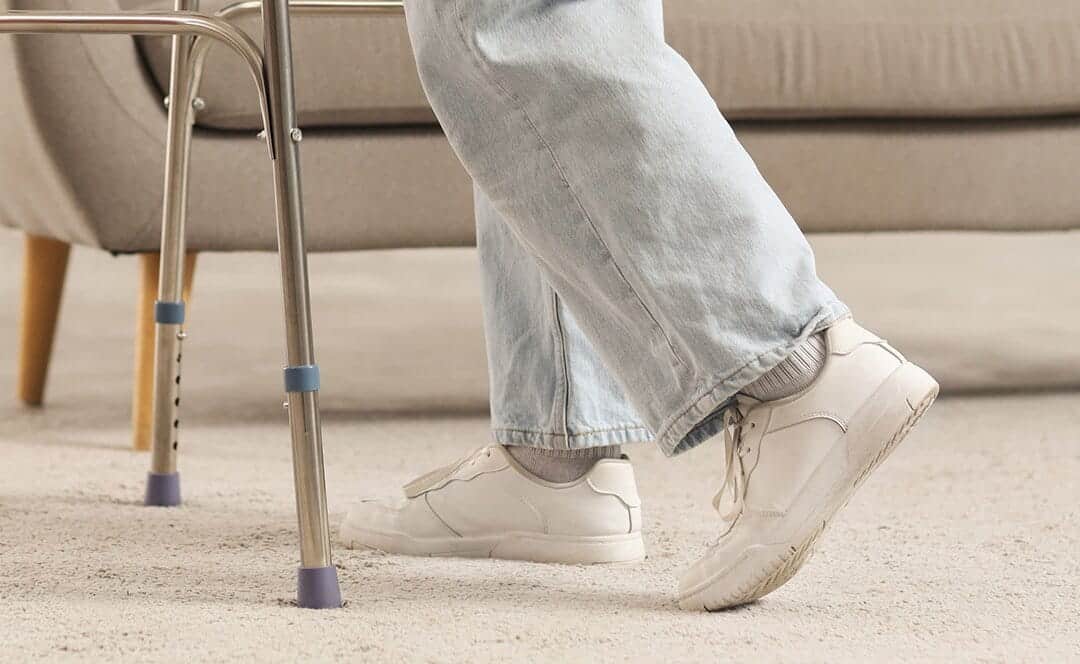
- Supportive footwear plays a key role in fall prevention, helping improve balance and stability during everyday movement.
- Shoes with poor fit or traction increase fall risk, especially styles that are loose, worn out, or lack support.
- Features like non-slip soles and reinforced structure improve safety, reducing the likelihood of slips and missteps.
- Footwear is most effective as part of a broader strategy, alongside regular strength and balance exercise, a safer home environment, and access to help.
Falls are one of the most common risks facing older adults, and they can happen in everyday situations at home or outdoors. While many factors contribute to falls, footwear plays a significant role in maintaining balance and stability.
Choosing the right shoes can help reduce risk and support confidence in daily movement. Understanding what to look for in safe footwear is an important step in preventing falls and maintaining independence.
Why Footwear Matters
Footwear directly affects how the body moves, balances, and responds to changes in surface or terrain. Shoes that fit well and provide proper support can improve stability, while poorly designed footwear can increase the likelihood of slips or missteps.
As people age, changes in strength, flexibility, and sensation in the feet can make it more difficult to maintain balance. Supportive footwear can help compensate for these changes by offering better grip and alignment.
Footwear is one part of a broader approach to fall prevention. Everyday habits, home safety adjustments, and awareness of risks all contribute to safer movement, especially when you understand the common causes of falls in seniors.
Common Causes of Falls Related to Shoes
Certain types of footwear can increase the risk of falling, often without people realizing it. Shoes that lack proper structure or traction can make even simple movements less stable.
- Loose-fitting shoes can shift while walking, making it harder to maintain balance. Slippery soles may not provide enough grip on smooth surfaces, increasing the chance of slipping.
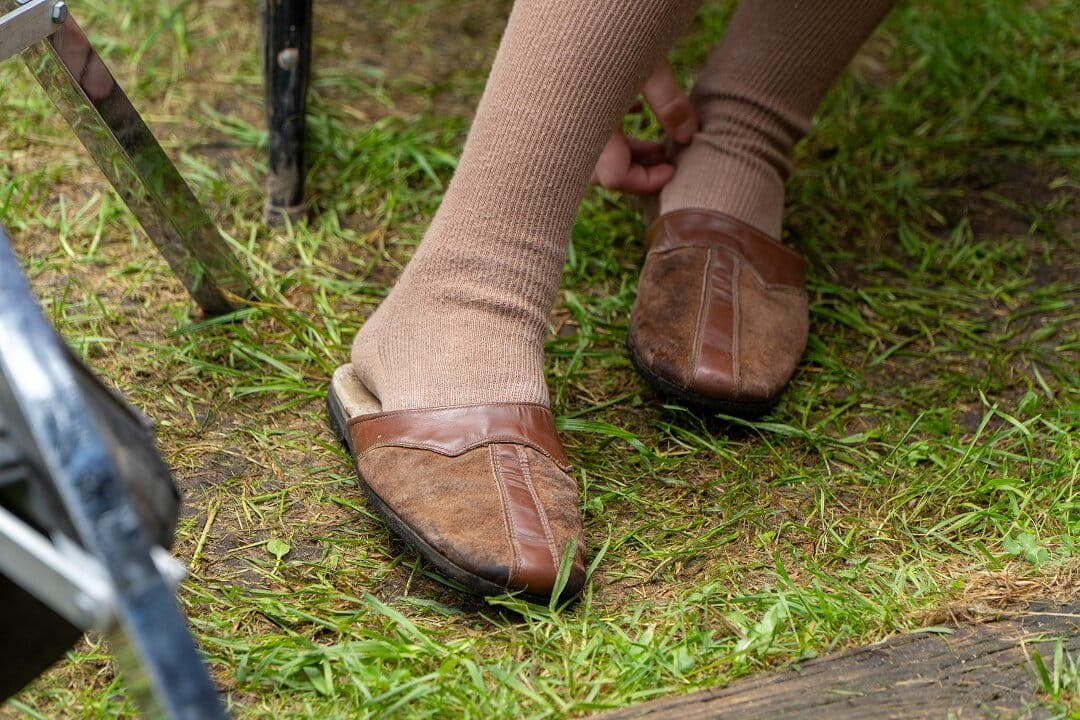
- Backless styles, such as slippers or sandals without support, can lead to instability because the foot is not held securely in place. High heels or shoes with uneven soles can also affect posture and increase the risk of missteps.
- Worn-out shoes are another common issue. Over time, soles lose traction and cushioning, which can reduce stability and comfort.
Recognizing these risks can help guide better choices and reduce the likelihood of falls in everyday situations.
Key Features of Fall-Prevention Footwear
When selecting footwear, certain features can make a meaningful difference in safety and comfort.
- A secure fit is essential. Shoes should hold the foot firmly without being too tight, reducing unnecessary movement inside the shoe.
- Non-slip soles provide traction on a variety of surfaces. Rubber soles with a textured pattern tend to offer better grip than smooth materials.
- Low, stable heels help maintain proper alignment and balance. Flat or slightly raised heels are generally more supportive than high or narrow ones.
- Good arch support can improve overall stability and reduce fatigue during walking or standing.
- Lightweight construction helps reduce strain and makes it easier to move naturally. Heavy shoes can interfere with balance and increase the effort required to walk.
- Easy fastenings, such as Velcro straps or elastic laces, can make shoes more accessible for those with limited dexterity while still ensuring a secure fit.
What Shoes to Avoid
Certain types of footwear are more likely to contribute to falls and should be avoided when possible.
- High heels can shift the body’s centre of gravity and make balance more difficult. Shoes with very thin soles may not provide enough cushioning or protection from uneven surfaces.
- Loose slippers or backless shoes can slip off or cause the foot to move unpredictably while walking. Flip-flops offer minimal support and can increase the risk of tripping.
- Shoes with worn or smooth soles may not provide adequate traction, especially on polished or wet floors.
- Footwear that is too tight or too loose can also affect balance and comfort, making it harder to walk confidently.
Best Types of Shoes for Seniors
Certain styles of footwear are better suited to supporting balance and reducing fall risk.
- Walking shoes with non-slip soles and good arch support are a reliable option for everyday use. Athletic shoes designed for stability can also provide cushioning and grip.
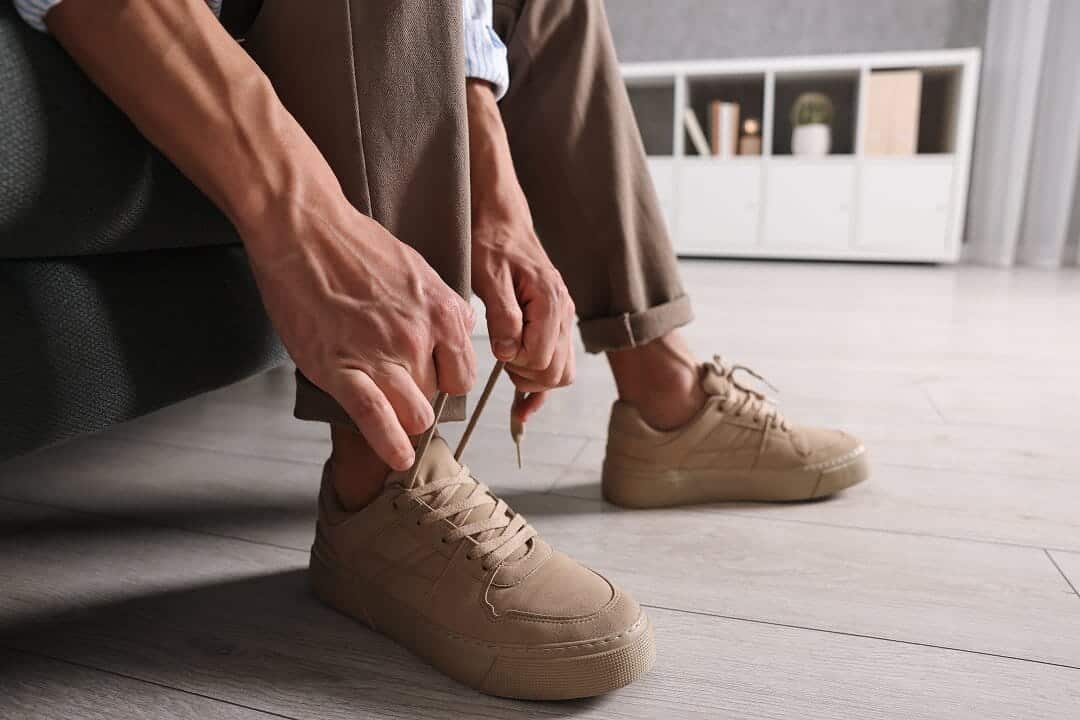
- Closed-back shoes with adjustable fastenings help keep the foot secure and reduce unnecessary movement.
- Supportive indoor shoes or well-fitted slippers with non-slip soles can offer protection at home, where many falls occur.
- For outdoor use, shoes with durable soles and weather-appropriate traction can help maintain stability on different surfaces.
- If you have specific concerns about your feet or balance, a podiatrist can help identify the best footwear for your individual needs.
Choosing footwear that aligns with daily activities can help ensure both comfort and safety.
Additional Fall Prevention Tips
Footwear is one part of reducing fall risk, but other strategies can also support safer movement.
Keeping floors clear of clutter and ensuring good lighting throughout the home can help prevent trips and missteps. Regular vision checks can also support better awareness of surroundings.
Staying active and maintaining strength and flexibility can improve balance over time. Activities such as stretching or light exercise can support mobility, including flexibility exercises for seniors.
In addition to prevention strategies, having access to help can provide reassurance. Tools like medical alert systems can ensure that support is available if a fall does occur, helping seniors maintain independence with greater confidence.
Supporting Stability and Confidence Every Day
The right footwear can make a meaningful difference in reducing fall risk and supporting safe movement. By choosing shoes that offer stability, comfort, and proper support, seniors can move through their daily routines with greater ease.
Combined with other fall prevention strategies, thoughtful footwear choices can help maintain independence and promote confidence at home and beyond. For added reassurance, having access to support through a medical alert system ensures that help is always within reach if a fall does occur, providing both seniors and their families with greater peace of mind.
About the Author

What You Should Do Now:
Here are 5 ways we can help you or your loved one live safer and more independently at home as long as possible:
- Get our latest tips, tools and resources straight to your inbox. Sign up for our monthly newsletter.
- Not sure if the time is right for a medical alert service? Take this quick assessment to find out.
- If you would like to learn how to live a healthier and safer lifestyle, go to our blog or visit our resources section, where you can read and download guides.
- Wondering which medical alert system company is the best for your needs? We’ve put together a guide comparing the best medical alert systems for you.